

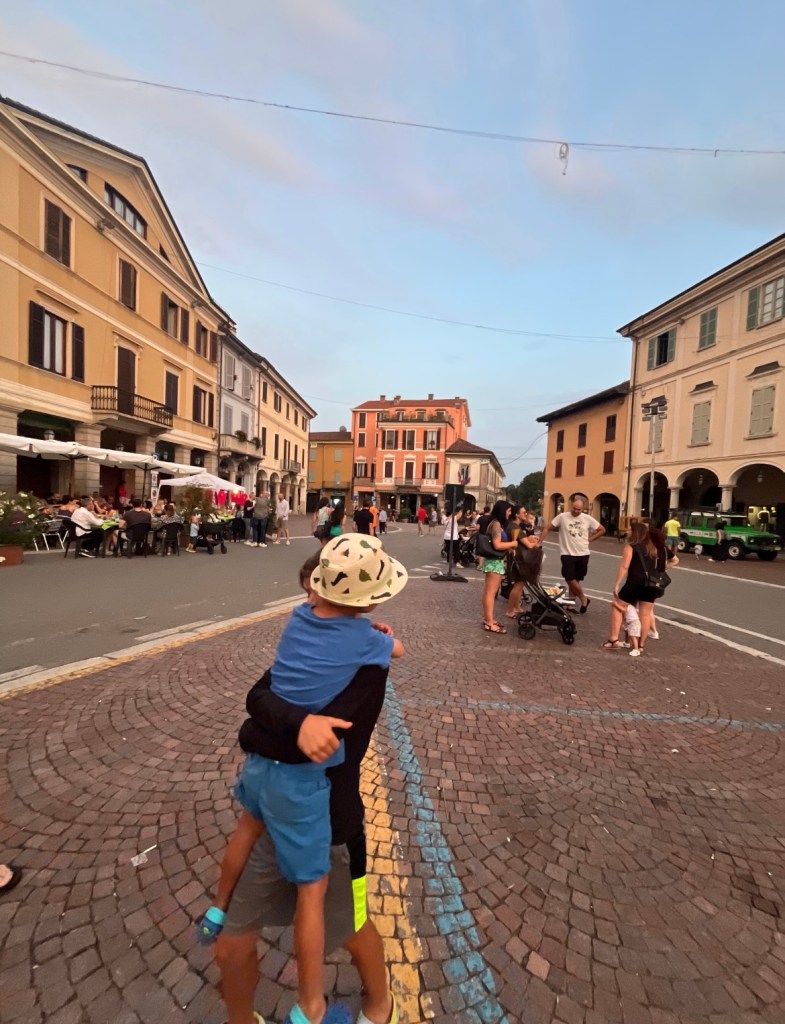
Have you ever thought, “I’d love to take a long trip, but I could never be gone that long”? You’re not alone. Long-term travel, whether it’s two weeks, a month, or even longer, is more possible than most people realize. With thoughtful planning, flexibility, and a focus on slow travel, you can enjoy extended vacations that feel immersive, budget-friendly, and truly unforgettable.
Extended travel gives you the chance to slow down, connect with local culture, and create lasting memories — instead of just checking destinations off a list. Here’s how to make long-term travel work for you.
1. Start with Flights and Transportation
Booking flights first is one of the smartest steps for long-term travel planning. Once your airfare is secured, the rest of your trip begins to fall into place. The biggest tip I have for this is the knowledge of when you’re getting a great flight deal. Keeping running lists and checking airfare to multiple desired locations when it is first released can help make that decision for a longer trip easier. It is possible to save over 1,000 dollars a person by booking a deal to a destination allowing for 5,000 dollars or more to be added to your accommodation budget.
One last thing, a layover isn’t the end of the world when your trip is over two weeks long. Sometimes it can even be a meaningful break.
Why flights come first:
- Set a realistic budget: Airfare is often the largest expense. Knowing the cost upfront allows you to plan accommodations, activities, and transportation without surprises.
- Maximize travel value: The longer you stay in one destination, the more value you get from each flight mile.
- Choose a convenient home base: Opt for a walkable town, train-accessible city, or a region where a rental car makes short trips easy.
2. Slow Down and Stretch Your Budget
Many people assume that extended vacations are expensive — but slow travel often saves money while offering richer experiences. By immersing yourself in the local culture, your daily expenses are dramatically cut. That walk to a bakery, hike, or beachfront run become part of your daily cultural experiences, and at times, they can be better than all the sightseeing that comes with travel! Often times, in hotels or rentals, the longer you stay, the deeper the discounts. A pro tip is that once you have secured your long term home base, it becomes easy to book weekends away to explore further from your home base.
Ways to travel longer without overspending:
- Look for extended-stay discounts: Vacation rentals and boutique hotels often offer weekly or monthly rates.
- Live like a local: Renting a home with a kitchen allows you to cook meals from local markets and enjoy a routine, making the trip feel like real life abroad.
- Enjoy low-cost experiences: Picnics, local street food, and exploring off-the-beaten-path areas are memorable and budget-friendly.
3. Make Long-Term Travel Work for Families
Balancing work, school, and family commitments can make extended travel feel impossible — but there are solutions. If you are able to have the time off, finding local camps, activities, and experiences for the kids naturally fills the time. Working remote for a portion of the trip or taking turns working remotely can be a great way to manage extended travel. Finally, leaning into grandparents and taking turns can be a creative way to balance the work/family challenges in living abroad for over two weeks.
How to Long-term travel work for families:
- Scheduling that goes outside of the box: If able, be creative with your vacation or remote work schedule by staggering your two weeks of leave.
- Lean into other family members: Enlist grandparents or other family members to join and lend extra helping hands during the work day.
- Find those awesome local camps: Enrolling the kids in local camps for a few hours adds the their culture experience and your ability to work while abroad.
4. Embrace Slow, Intentional Travel
Extended vacations aren’t just about more days — they’re about traveling differently. As stated above, prioritizing meaningful cultural experiences in the everyday while living abroad becomes the vacation itinerary. and by choosing a location that supports your desired experiences (think beaches, hiking, markers for foodie, etc, you have already filled your days with valuable experiences.
Ways to embrace slow intentional travel:
- Prioritize quality over quantity: Spend more time exploring neighborhoods, attending local events, or observing daily life.
- Seek meaningful experiences: Cooking classes, cultural workshops, and guided tours offer deeper connections than rushing from sight to sight.
- Stay flexible: One of the joys of long-term travel is following unexpected opportunities and embracing spontaneity.
Start Planning Your Dream Extended Vacation
If you’ve been dreaming about a “someday” trip, there’s no better time to start planning. Even small steps — researching flights, choosing a home base, or exploring local programs for kids — bring your long-term travel closer to reality.
Reach out to get started:
Meghan@mangotreetravel.com






 Beyond The Usual Trail